Visual Design Systems
For teams that ship a lot — decks, campaigns, product graphics, listings, packaging — with too few designers. Instead of designing each asset, I design the system that produces them: the templates, rules and named values that keep the thousandth asset as good as the first.
By Krushna Palwe, senior visual designer. Best suited to B2B SaaS, technology and brand-system projects. Based in Pune, Maharashtra. Available for remote projects with teams in Pune, Mumbai and Bengaluru (Bangalore).
01 / Problems
When this is the right project.
- Every asset is designed from scratch, so volume only grows with headcount.
- Quality depends on who made the file.
- The brand guidelines don’t cover the formats you actually produce.
- New formats drift from the brand within months.
- Diagrams and infographics use arbitrary colours and line weights.
02 / Included
What’s included.
- Format inventory
- Every recurring output listed and grouped: what repeats, what varies, what breaks.
- Foundations
- Colour, type, spacing and grid as named values, defined once.
- Template systems
- Templates for the formats you ship most: decks, social, listings, diagrams, packs.
- Diagram standards
- Rules for line weight, colour and labelling, so technical visuals read as one company.
- Component libraries
- Shared Figma libraries and styles, named so people can find things without training.
- Production workflow
- Brief to template to export, usable by people who aren’t specialists.
Scope boundary: A defined template and foundation system; ongoing asset production is a separate scope.
03 / Process
How the work runs.
Stages overlap on real projects. They’re the order decisions get made in, not a rigid schedule.
- 01
Inventory
Collect what the team produced over the last few months.
- 02
Patterns
Find the structures that repeat under the surface differences.
- 03
Foundations
If a value appears twice, it becomes a token.
- 04
Templates
Design the template, not the asset.
- 05
Pilot
Produce real work on the system and fix what it can’t handle.
- 06
Handoff
Documentation and naming the team can run without me.
04 / Relevant work
The evidence.




05 / Proof
Shipped, and checkable.
At iSequalTo I built a vector library of 10,000+ curriculum graphics on a template system, used across the design team.
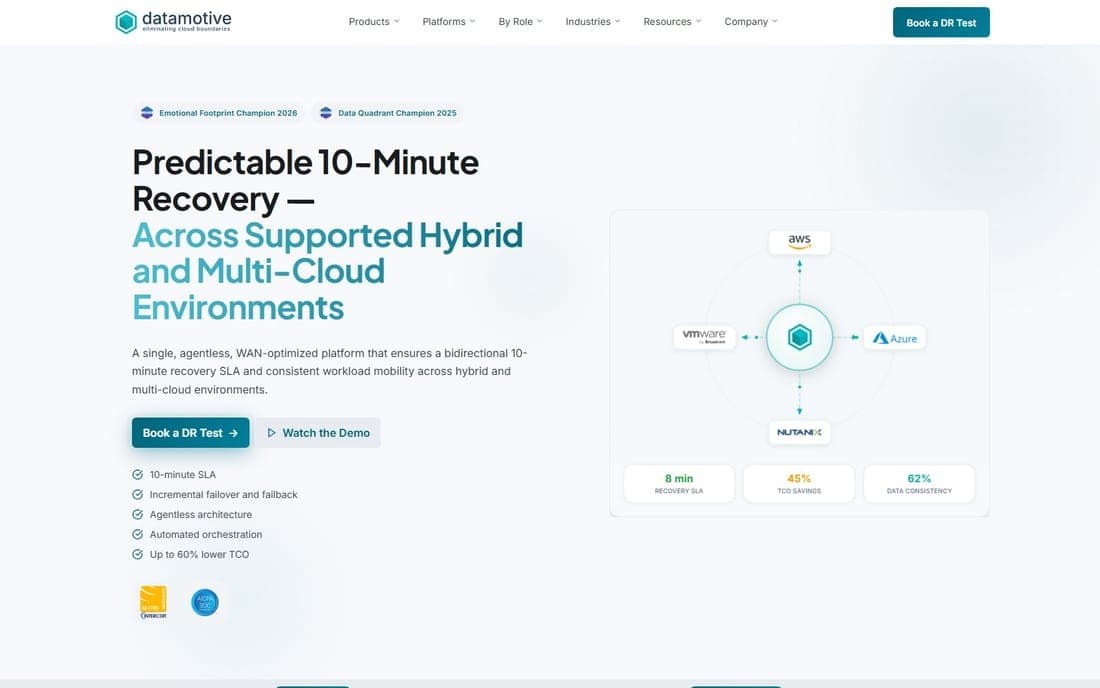
iSequalTo case studyDatamotive’s diagram standard covers migration, replication, failover and recovery flows.
Datamotive case studyCITTA’s Baby & Kids packs share one structure — wordmark, a colour per product, an illustration, a badge and a fixed claims block — across 33+ packaging designs.
CITTA Packaging case studyCollect Present’s seven-slot listing system produced 119 listing images across 17 Amazon listings.
Collect Present case study
06 / Questions
Asked before starting.
Is this the same as a product design system?
They overlap. A product design system governs UI components; a visual design system covers everything the brand produces, including marketing, diagrams, decks and packaging. At Datamotive the same tokens serve the website and the marketing material.
Who maintains it after handoff?
Your team. Systems are documented and named so non-specialists can use them. At iSequalTo the team kept producing with the template system after I left.
Which tools do you build in?
Figma libraries and styles, Illustrator and InDesign templates, and design tokens for code.
We already have brand guidelines. Is that enough?
Guidelines say what the brand is. A system makes the recurring work: templates and rules for the formats you ship every week. Most teams need the second part.
Related notes
Discuss your design system.
Share the recurring formats your team produces and where consistency breaks. Share what you know; missing inputs can be discussed together.
Best suited to B2B SaaS, technology and brand-system projects. Based in Pune, Maharashtra. Available for remote projects with teams in Pune, Mumbai and Bengaluru (Bangalore).