FIELD GUIDE / Packaging systems
From dieline to shelf: a repeatable packaging system
Keep hierarchy consistent from the smallest label to the shelf.
Brand designers & D2C teams
CITTA / 33+ packaging designs · 2 ranges
CITTA’s adult-care and Baby & Kids ranges span cartons, labels, sachets and gift boxes. The case study documents 33+ packaging designs built around a repeatable pack structure. This guide focuses on the design workflow; production specifications and approved product copy must come from the responsible owners.
Inventory formats before designing variants
A carton, wrap label and sachet do not offer the same reading space. Make a register of product, format, dimensions, required copy, artwork owner and status. Distinguish the physical format from the marketing variant so a new fragrance does not accidentally become a new layout system.
Start with the smallest pack and the product with the longest approved name. They reveal constraints earlier than the easiest hero pack.
Set a hierarchy that survives the range
Decide the order of brand, product name, variant and supporting information. Fix their relationships rather than copying identical coordinates onto different dielines. Use illustration and colour to help navigation while keeping product names legible without colour alone.
Place three variants side by side at actual size. Check whether someone can identify the brand, product and variant in that order.
Treat the dieline as a production constraint
Use the supplier’s current dieline and document its revision. Keep structural guides distinct from print artwork. Check folds, seams and hidden panels with a physical proof when possible. Bleed, safe areas, inks and finishing requirements vary by supplier and process; confirm them instead of inheriting an old file.
Create a handoff sheet containing dieline revision, artwork version, linked assets, fonts and the printer’s confirmed specifications.
Compare artwork with its destination
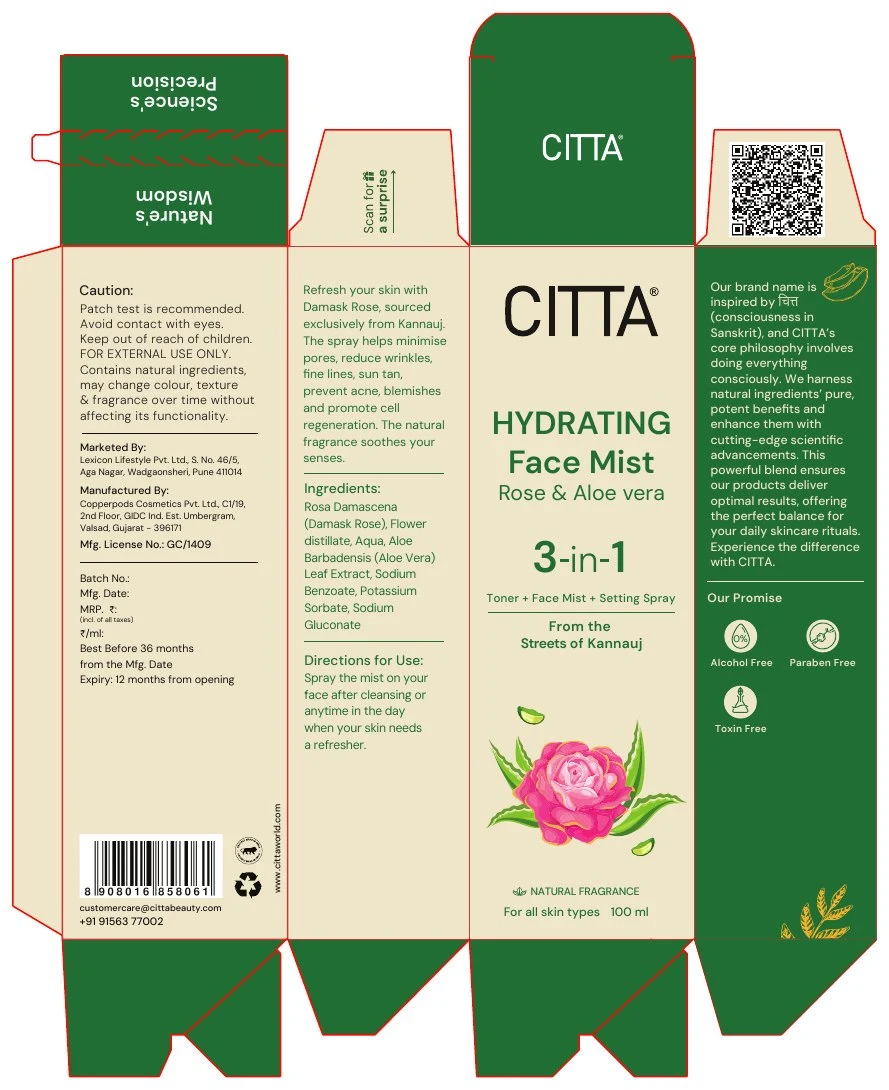
The CITTA case pairs flat artwork with finished packs or clearly labelled presentation mockups. That comparison helps expose hierarchy and panel-placement problems. A mockup helps review the composition, but colour, material and print quality need production proofing.
Review the front, back and seam together. Obtain copy and production approval from the responsible owners before release.
THE HANDOFF CHECK
Ready to put it to work?
Use this checklist as you review your own project.
0 of 5 checked
BACK TO THE RECEIPTS
The method, in context.
See the actual design decisions, original artwork and documented outcomes in the CITTA case study.
An adaptable guide informed by the linked case study. Client source files are not included.