
iSequalTo visual proof
What this case proves
What was true at the start.
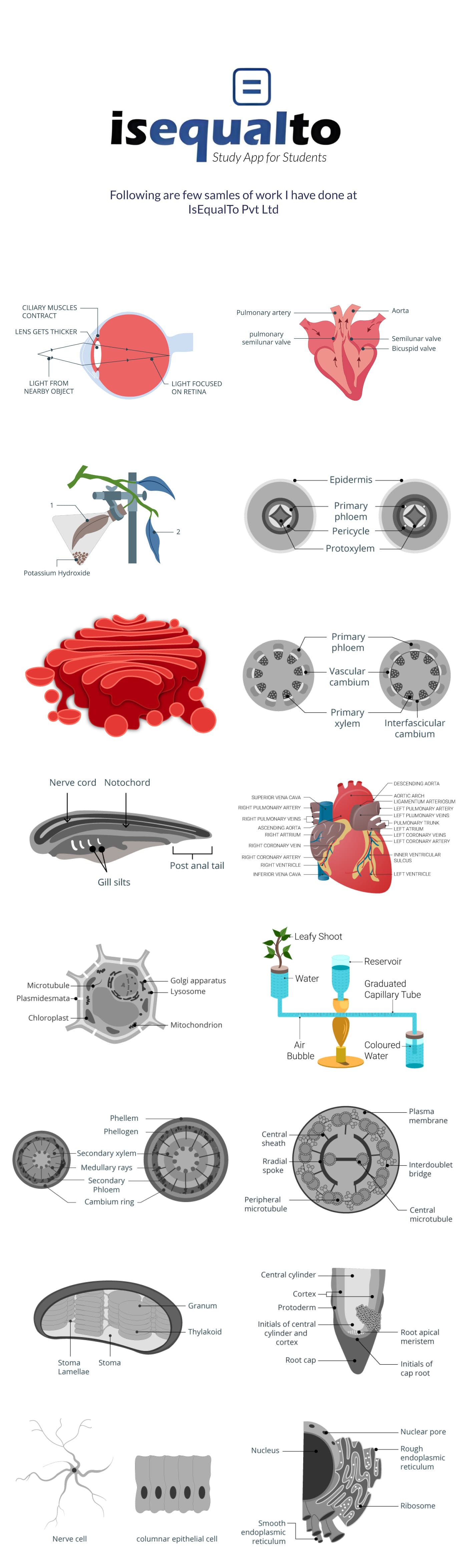
An edtech app needed thousands of educational graphics: puzzles, diagrams, quizzes, UI elements, character avatars. The hand-built pace did not scale, and brute-forcing the output would have collapsed institutional quality. One designer could not, by hand, produce what the curriculum demanded.
My point of view going in.
Build the system once, scale without proportional effort. The template is the design; the asset is just an instance.
iSequalTo creates K-12 educational content across India. Brief: thousands of diagrams, infographics, and explainers. Quickly, consistently, inside EdTech budgets.
The usual approach was hiring illustrators per project. Quality varied. Turnaround was slow. Costs compounded. The team needed an internal system that scaled without a new outsourcing dependency every time the syllabus expanded.
Educational graphics have constraints commercial illustration doesn’t: print and digital, small and large. Legible to a 10-year-old in Pune and a 16-year-old in Chennai. Authoritative without intimidating.
Not a creativity problem. A systems problem.
The bet: a generative template system where a non-designer could produce production graphics by filling a structured form. Subject + concept + age group → asset.
Four layers:
- Visual language (icon set, type scale, palette by subject)
- Component library (reusable diagram blocks)
- Template matrix (every common diagram type, every subject)
- Production workflow (brief form → Figma → export)
Built in Figma before Auto Layout was mature: a lot of constraint solving. Shared libraries, colour styles, strict naming. Junior team members could navigate it without training.
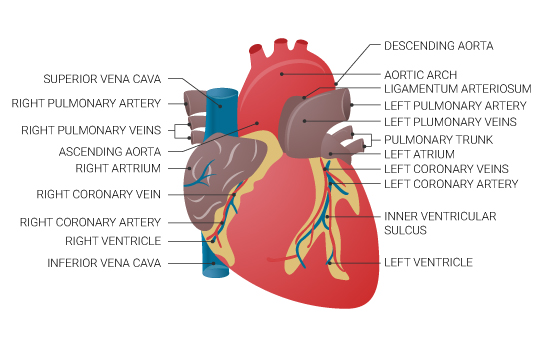
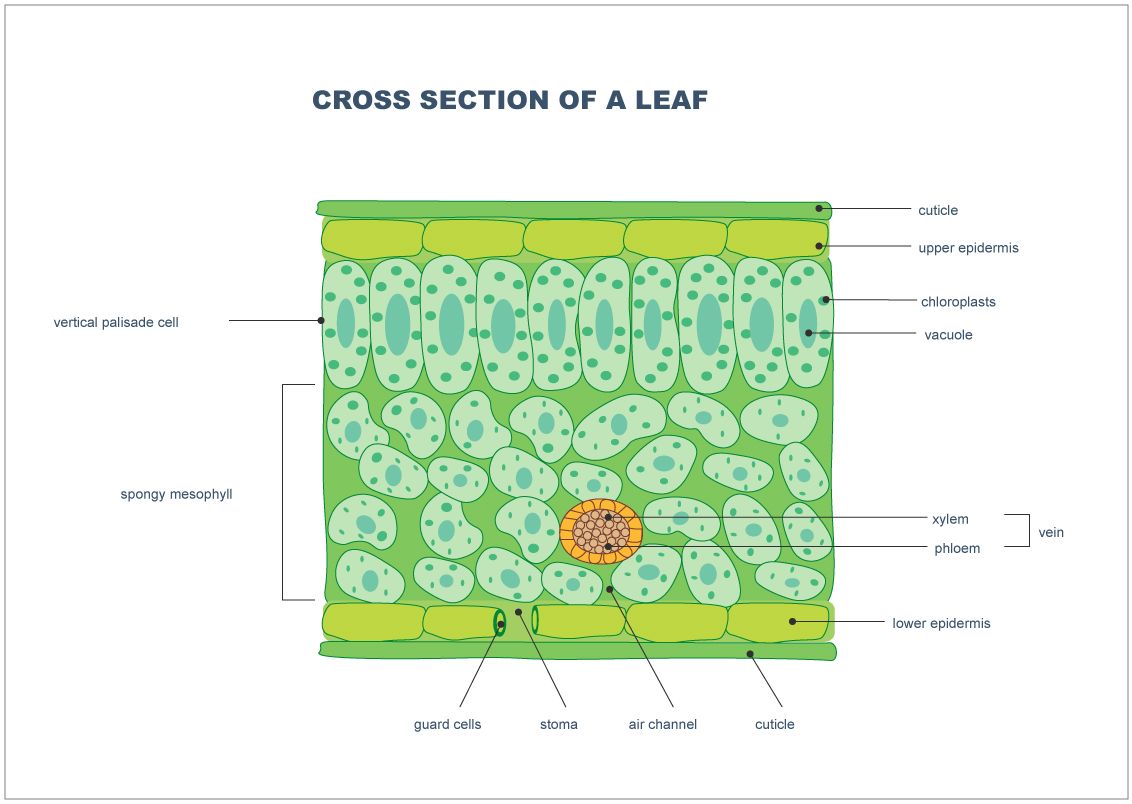
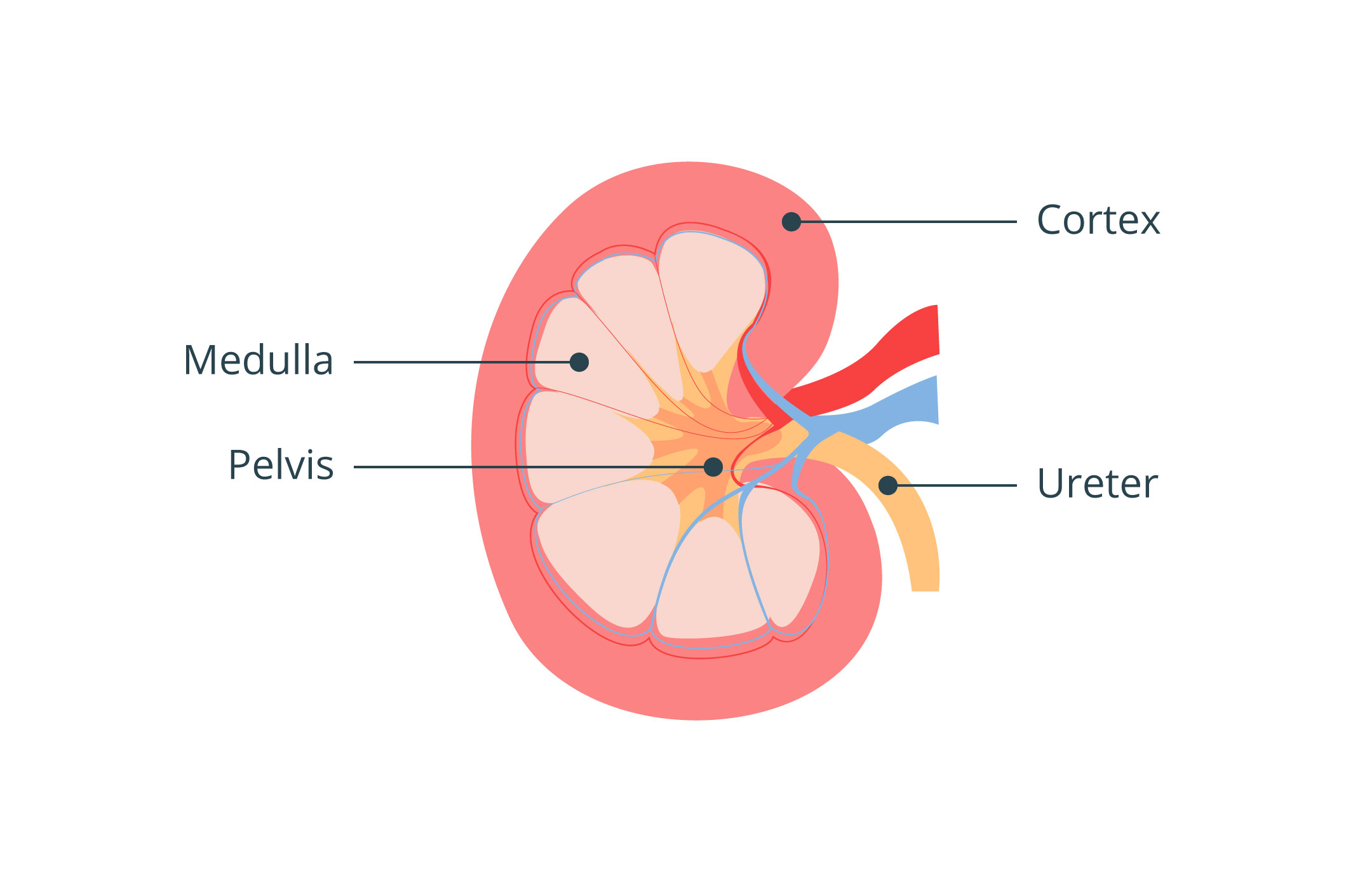
Template matrix covered flowcharts, comparison tables, process diagrams, anatomical labels, timelines, and data viz, across Math, Science, History, English. 400+ base templates, infinitely extensible.
Production workflow: 12-field Notion brief form → template select → variable substitution → export. Average asset under 2 minutes once the system was running.
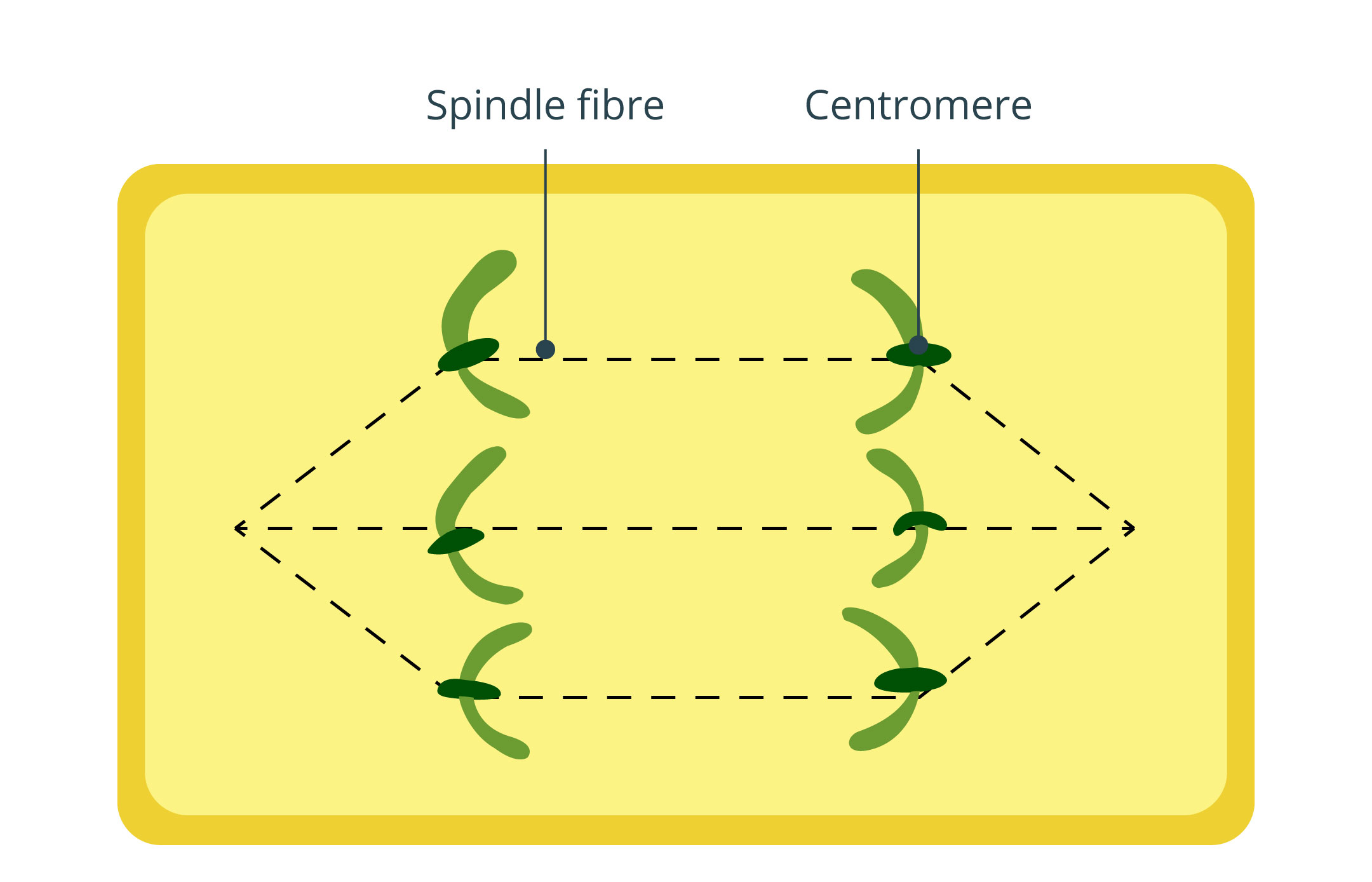

"The system outlived the project. Two years on, the team still runs it without me."
| METRIC | RESULT | NOTE |
|---|---|---|
| Assets generated | 10,000+ | Across 4 subject areas |
| Template coverage | 400+ | Base templates across common diagram types |
| Time to first asset | < 2 minutes | From brief to production file |
| Team adoption | 100% | System still in use 4 years later |
I built this before I had the language for what I was doing. Pre-AI, pre-'design ops', it was just: make a system that means less work next time. Looking back, it was the first real pipeline I built. Everything I do now is a more sophisticated version of this instinct.